



27 November 2025
Written by: Anželika Dautartė, VMU
Read also in:

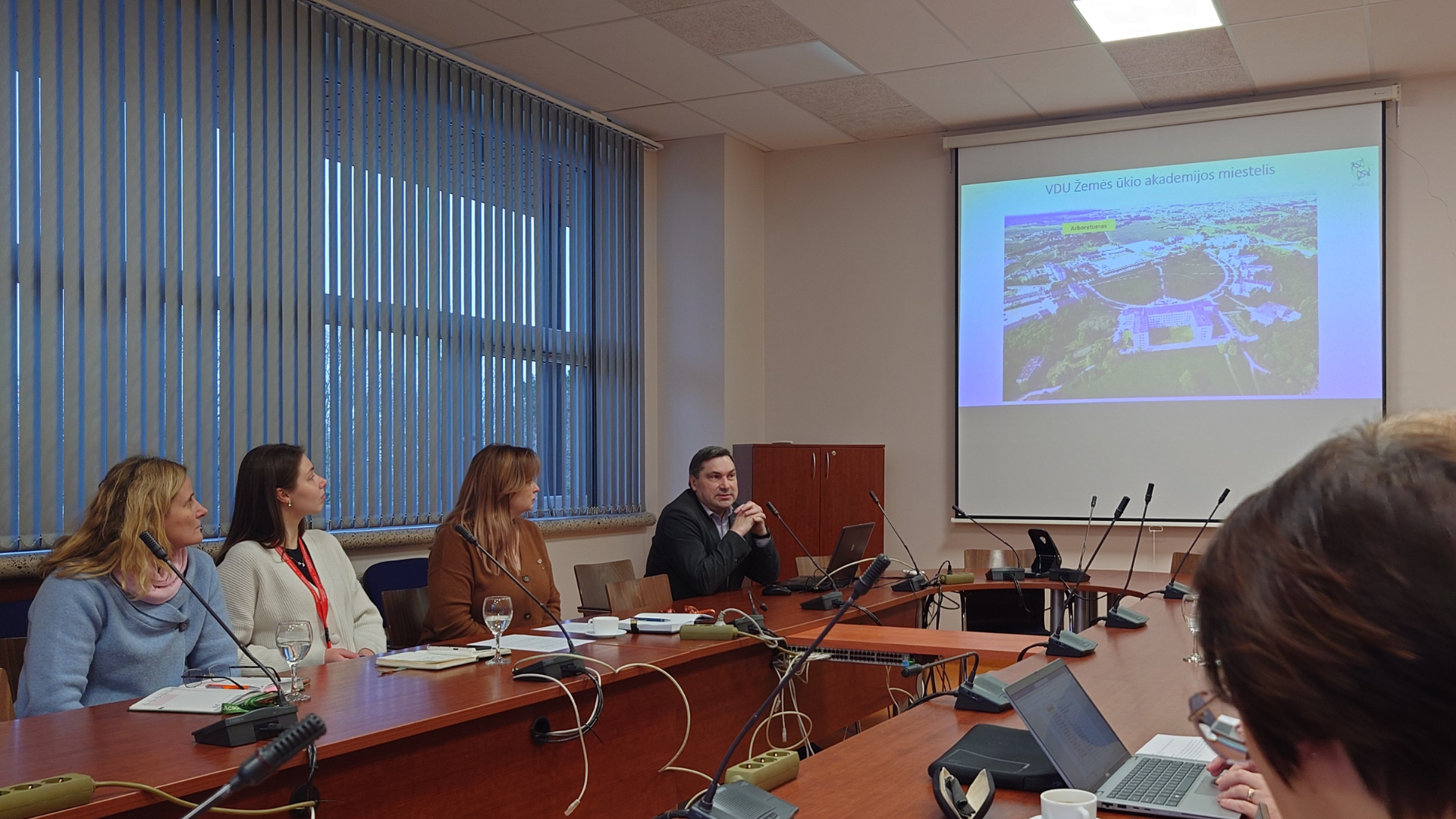
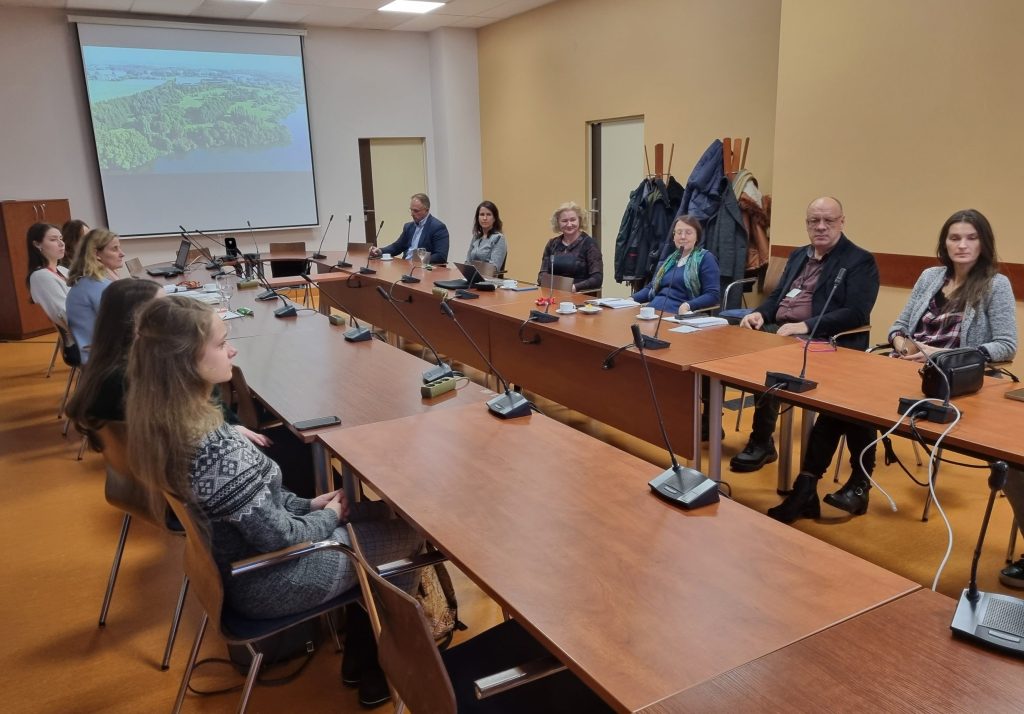
The discussion organised in the framework of the ᴇNᴀBʟS project on the 5th December 2024 was attended by representatives of various stakeholder groups, including the Elder of the Academy, members of the Academy Community Centre, staff and students of the Faculty of Forestry and Ecology of VMU FMA (MEF), and representatives of the University of the Third Age submitted written proposals. The meeting was co-organised by the cluster “Žaliasis intelektas” (The Green intelligence) and the Centre for Business and Social Partnerships, in cooperation with MEF. The main objective of the meeting was to find out how the MEF’s green infrastructure can serve as an example of how Nature-Based Solutions (NBS) can be combined with biodiversity conservation, education and community engagement. Judging by the energy and enthusiasm of the event, it is safe to say that this goal was achieved!
Ideas That Sparked Excitement
Participants were brimmed with ideas on how the Agricultural Academy (AA)’s Green Infrastructure could be transformed into a vibrant space where biodiversity conservation and education come to life. One key takeaway now was the importance of preserving and demonstrating natural meadows, their maintenance and their role in the ecosystem. These meadows serve a vital function in maintaining biodiversity, while also offering an excellent setting for educational activities such as close observation of insects and plants. Such an approach would facilitate a more engaging and dynamic learning experience, potentially enhancing the educational process for both students and community members.
The educational potential of AA’s green spaces sparked plenty of creative thinking. Attendees suggested setting up information stands equipped with QR codes, allowing visitors to easily access scientific insights about the natural processes happening around them and NBS in daily life. Another exciting idea was to make nature a multi-sensory experience – encouraging the public to engage with not just the sights, but also the sounds, smells, and textures of the natural world. Such initiatives would allow people to ‘experience’ nature in a deeper, more memorable way.
From NBS to Community Engagement
A key point raised during the discussion was the powerful link between NBS, biodiversity conservation and education. Participants highlighted how nature-based solutions can be used to raise environmental awareness and actively involve the community in conservation efforts. Activities like observing and drawing insects or the formation of natural meadows were seen as fun and meaningful ways to engage people of all ages. These activities not only help participants better understand the value of biodiversity but also contribute directly to its conservation – a true win-win for people and the planet.
Looking Ahead: A Living Lab in the process
The possibility of transforming AA’s green infrastructure into a Living Lab sparked excitement among participants. This concept envisions green spaces as a hub where communities can engage with nature, contribute to biodiversity conservation, and experience hands-on environmental education. The Living Lab could become a flagship example of how green infrastructure can meet the needs of science, education, and society all at once. By fostering community participation, supporting biodiversity, and promoting sustainability, this initiative would set a powerful precedent for how green spaces can be both functional and inspiring. As we continue this path, it’s clear that the enthusiasm and ideas shared during this discussion are just the beginning. With community-driven solutions, educational innovation, and a shared passion for nature, we are confident that the best is yet to come.


27 November 2025